Here at Topfloor we’re passionate about creativity and about promoting the craftsmanship that goes into handmade, artisan products. ‘Sad to say, I think that creativity is losing out to a kind of ‘quick fix’ approach to design’ says Topfloor’s founder and Design Director Esti Barnes. In this blog, we explore some of the design values and methodology of the company.

Solid skills base
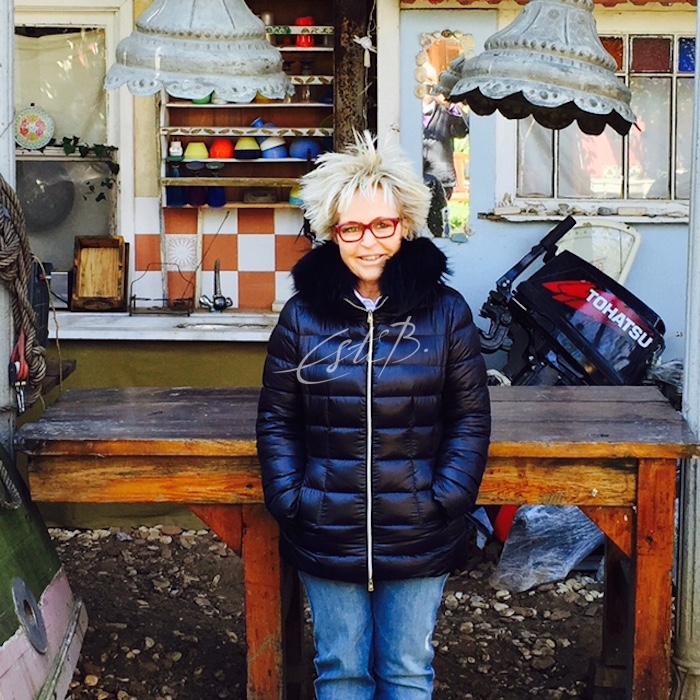
Founder, Esti Barnes, heads up the design side of our company. People often assume that it is Esti’s Turkish roots that led her into the carpet world. ‘Not really’ says Esti, ‘although like most families, we had a few oriental rugs at home’. As a passionate design graduate, albeit in Graphic Arts, it has always been part of Esti’s DNA to seek out new media in which to hone her skills and rugs happened along almost by chance nearly 20 years ago. In total, Esti has more than 40 years of design experience, 20 of which have been exclusively in flooring. Esti is personally involved with the design of every bespoke commission coming to Topfloor – always starting with a hand-drawn sketch.


The process
It usually starts with an interior designer walking into our Chelsea Harbour showroom, often armed with floor plans, fabric swatches, samples of wood, marble or stone, paint swatches and so on. Heads are put together around the meeting table and the discussion begins. Often it will include a review of the 30+display rugs in the showroom. Sometimes it requires delving into Esti’s design portfolio with its 300+ rug and carpet images.
Most of the time we will build on an idea or concept put forward by the client where Esti’s talent will shine, turning the intangible into a rug. As the ideas crystallize, colour, shape and textures all start to enhance and define the emerging design.


This whole process can take anywhere from 30 minutes to a few weeks, sometimes even months. The important thing is getting it right and making sure that the client leaves the showroom happy and even surprised that designing a bespoke rug could be achieved relatively quickly and with the minimum hassle.
Sampling
Next, the sampling process starts. It is here where Esti’s long-term relationship with her weavers pays off. Having worked together over decades, both parties understand each other’s expectations and foibles. Each sample can take up to 3 weeks to weave and since most deadlines these days are very short, it is vital to try to get the sample right first time, so that the rug production itself can start with no or minimum delay. The sampling process involves a lot of remote supervision via email, early morning phone calls, image exchanges and courier packages.

Confidence
‘Our clients come back to Topfloor because they trust us. They know they can rely on us for something that is unique and exclusive, whether it’s an ultra contemporary scheme or a classic hotel refurbishment’ says Esti. ‘It certainly helps to have picked up a string of international awards over the years’ adds Russell, Topfloor’s Managing Director. ‘We also try to get on to the same wave length with our clients – normally an interior designer – and this helps to build a happy and trusting relationship’.

‘It’s not just about good design‘ says Esti, ’nor about having a reputation for consistent quality and timeliness. You need to be able to move the creative process along smoothly. In our case also, it’s about striving for originality, and we will always try to move the client’s ideas away from the pre-existing to the new!’
‘Finally, we are happiest when we hear, directly or otherwise, that someone is delighted with the rugs we have created for them!’